
Can a Resin Driveway Be Laid on a Slope?
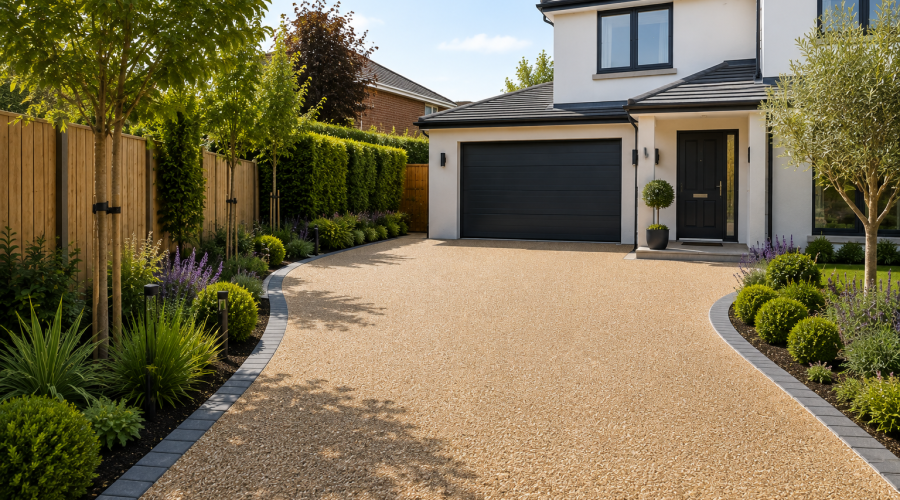
If your driveway isn’t completely flat, you might be wondering: Can a resin driveway be laid on a slope?
The simple answer is yes. In fact, resin bound driveways are often installed on sloping driveways and can provide a durable solution for properties with varying gradients. However, as with any driveway installation, the success of the finished surface depends on proper preparation, suitable materials and professional installation.
In this guide, we’ll explore how resin driveways perform on slopes and the benefits they offer. We will also cover what should be considered before installation.
Are Resin Driveways Suitable for Sloping Driveways?
Resin bound driveways can be installed on both flat and sloping surfaces.
The resin and aggregate are mixed before being laid; the finished surface forms a strong, bonded layer that remains stable once cured. Unlike loose gravel, which can shift and migrate downhill over time, resin bound surfacing creates a seamless finish with no loose stones.
This makes it a popular choice for homeowners looking to improve the appearance and practicality of a sloping driveway.
Why Resin Works Well on Slopes
One of the biggest challenges with sloping driveways is keeping the surface stable and easy to maintain.
Traditional loose gravel can move underfoot and under vehicle tyres, particularly on steeper gradients. Whereas resin bound surfacing eliminates this issue by securely binding the aggregate together using a clear or coloured polyurethane resin.
Some of the key benefits include:
Loose Stones
One of the biggest advantages of a resin bound driveway on a slope is that the aggregate is mixed with the resin before installation, creating a fully bound surface. Unlike traditional gravel driveways, where stones can gradually migrate downhill over time, resin bound surfacing keeps every stone securely in place.
This not only creates a neater and more attractive finish but also makes the driveway safer and easier to use. There is no need to continually rake displaced gravel back into position, helping to keep maintenance to a minimum while preserving the driveway’s appearance.
Improved Kerb Appeal
A resin-bound driveway can completely transform the entrance to your property. The finish creates a premium appearance that instantly enhances kerb appeal and helps create a strong first impression.
With a wide choice of colours and bespoke design options available, resin bound surfacing can be tailored to complement both traditional and contemporary homes. Whether you’re looking for a natural stone effect or a more modern finish, resin offers the flexibility to create a driveway that reflects your property’s character and style.
Permeability
Resin bound surfacing is designed to be permeable, allowing water to pass through the surface and drain naturally into the ground below, no matter the gradient of the land. This helps prevent standing water from accumulating on the driveway and can reduce the risk of puddles forming after periods of heavy rainfall.
The permeable nature of resin bound systems also supports Sustainable Urban Drainage Systems (SUDS), helping to manage surface water more effectively. This makes resin an excellent choice for homeowners seeking a practical driveway solution that combines performance and environmental benefits.
Is There a Limit to How Steep a Resin Driveway Can Be?
While resin bound driveways can be installed on slopes, every project is different. The gradient of the driveway, existing ground conditions and intended use will all influence the installation approach.
Steeper slopes may require additional preparation or specialist techniques to ensure the surface performs as expected and remains durable over time. This is why a professional site assessment is always recommended before installation.
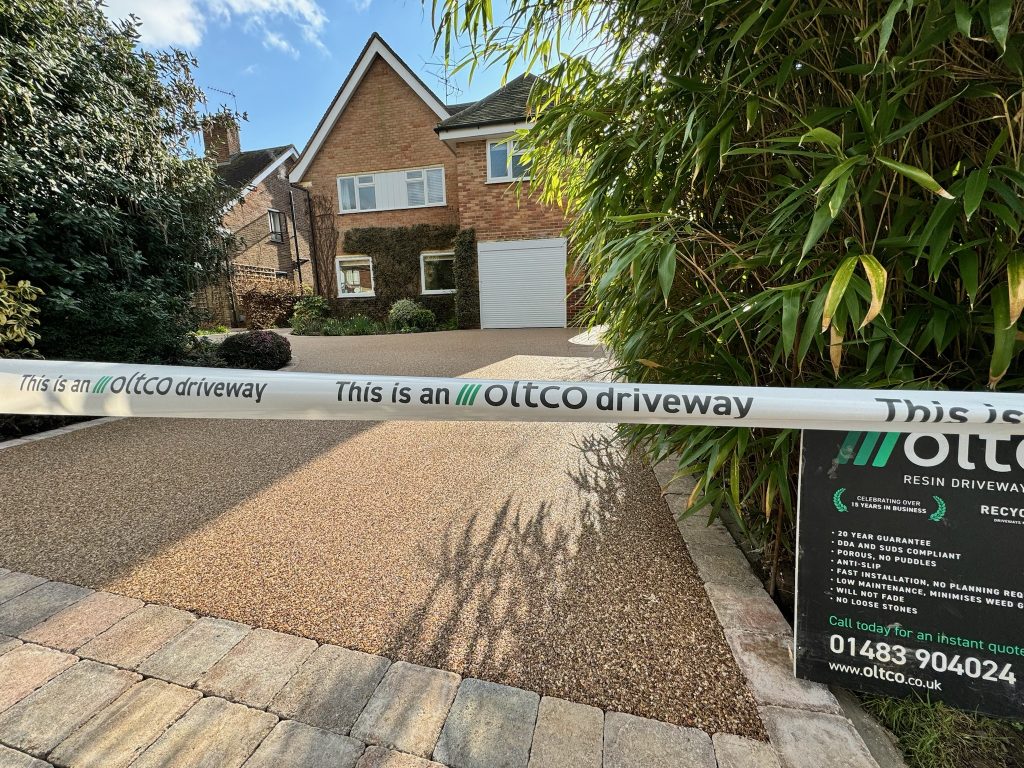
What Makes a Successful Resin Driveway Installation on a Slope?
The foundation of any resin driveway is crucial, particularly on sloping ground. Gravity increases the downward pressure on shifting vehicles; an unstable foundation will quickly cause the upper surface to crack or slip, necessitating professional groundwork to secure the structure. The existing base must be structurally sound for the installation of resin bound surfacing, with concrete or tarmac often providing an ideal foundation.
A Strong, Stable Base
A successful resin driveway installation starts with the right foundation. The base layer provides the structural support needed to withstand daily vehicle traffic and maintain the integrity of the surface over time.
For sloping driveways in particular, a strong and stable base is essential to ensure the resin surface performs as intended. Existing concrete or tarmac can often provide an ideal foundation, provided it is in good condition and properly prepared. Where necessary, additional groundwork may be required to create a suitable base before installation begins.
Proper Drainage
Effective drainage is an important consideration for any driveway, especially those installed on a slope. While resin bound surfaces are naturally permeable, the overall design of the driveway must still account for how water moves across the site.
During the planning stage, professional installers will assess drainage requirements and identify any areas where water could potentially collect or flow excessively. This helps ensure the finished driveway manages rainfall effectively while protecting both the surface and surrounding areas.
Professional Installation
Installing a resin driveway on a slope requires careful planning and particular attention to detail. Every stage of the process, from preparing the base to laying and finishing the resin, contributes to the long-term performance of the surface.
At Oltco, we understand how factors such as gradient, drainage, curing conditions and material selection can affect the finished result. Our professional installation helps ensure the driveway not only looks great but also remains durable and fit for purpose for many years to come.
Is Resin Better Than Gravel on a Slope?
For many homeowners, the answer is yes. While gravel can provide a traditional appearance, it can become difficult to manage on sloping driveways as stones often migrate downhill over time.
A resin bound driveway offers many of the aesthetic benefits of gravel while creating a stable, hard-wearing surface with no loose chippings. This combination of practicality and appearance is one of the reasons resin bound driveways have become increasingly popular across the UK.
Things to Consider Before Installing a Resin Driveway on a Slope
Before starting your project, it’s worth considering:
- The steepness of the slope
- The condition of the existing surface
- Drainage requirements
- Vehicle usage
- Desired finish and colour options
A professional assessment will help determine the most suitable solution for your property.
Thinking About Getting a Resin Driveway With Oltco?
So, can a resin driveway be laid on a slope?
Absolutely. When installed on a suitable base by experienced professionals, resin bound driveways can perform exceptionally well on sloping surfaces.
They offer the perfect combination of durability, permeability, low maintenance and visual appeal, helping homeowners transform even challenging driveways into beautiful and practical outdoor spaces.
Whether your driveway has a gentle incline or a more noticeable slope, resin bound surfacing can often provide a long-lasting solution that enhances both the look and functionality of your property.
At Oltco, our experienced teams install resin bound driveways across the UK, creating durable and attractive surfaces tailored to each property. Find your local Oltco team to arrange a free quote and arrange a site visit.
FAQs
Can resin driveways be installed on steep slopes?
In many cases, yes. The suitability of the installation will depend on the gradient, base condition and site-specific requirements. It is recommended that one of our experts perform a site assessment.
Are resin driveways slippery on slopes?
Resin bound driveways provide a naturally textured finish that offers good grip underfoot. They are often chosen for their practical performance in outdoor environments.
Does resin move on a sloping driveway?
No. Once cured, the resin and aggregate form a solid surface designed to remain stable.
Is resin better than gravel for sloping driveways?
For many homeowners, resin offers a more stable and low-maintenance alternative to gravel, with no loose stones and improved durability.